The Shopping Cart Icon: From Functional Tool to a Symbol of Trust in Modern Commerce
In the digital realm, a shopping cart is no longer just a utilitarian container for goods. It has evolved into a critical visual cue, a psychological anchor, and a universal symbol of the transaction. The icon representing it—that familiar outline of a basket or cart—carries immense weight. A beautiful, meticulously designed e-commerce icon for this purpose serves a function far beyond mere decoration. It becomes a key component in building user confidence, streamlining the customer journey, and ultimately, converting interest into sales.
The Silent Ambassador of Your Digital Storefront
Consider the last time you purchased something online. Your path likely involved browsing, selecting items, and then seeking a way to collect your intended purchases. The shopping cart icon is the visual answer to that search. It is the gateway between exploration and commitment. In a space crowded with information and competing calls to action, this icon must be instantly recognizable, intuitively placed, and aesthetically aligned with the brand’s overall feel. A poorly designed, generic, or confusing icon can introduce friction, causing users to hesitate. Conversely, a thoughtfully crafted icon acts as a silent ambassador, assuring users that the process is straightforward, secure, and designed for their convenience.
This importance has grown alongside the maturation of e-commerce itself. Early web design often used rudimentary graphics, prioritizing basic function over form. Today, user expectations are significantly higher. A website or app is judged not only by its functionality but by its entire user experience, which is heavily influenced by visual design. The shopping cart icon sits at the heart of this experience. It is a touchpoint users interact with repeatedly, and its design quality subtly communicates the quality of the business behind it.
Beyond the Website: The Expanding Role of E-Commerce Visuals
The utility of a premium shopping cart icon extends far beyond the checkout page of a website. As commerce and digital communication blend, these symbols are essential across a wide spectrum of creative and professional projects.
- Printed Materials & Promotional Collateral: Flyers, brochures, or direct mail campaigns for a retail business often need to indicate online ordering options. A high-quality icon seamlessly integrates digital call-to-action into physical media.
- Presentations & Pitches: Entrepreneurs, marketers, and consultants explaining e-commerce strategies or platforms require clear, professional visuals. A custom or well-chosen icon helps articulate concepts quickly and memorably.
- Illustrations & Infographics: Content creators explaining market trends, consumer behavior, or online shopping processes use icons to visualize data and steps. A distinctive shopping cart icon adds clarity and visual appeal.
- Interface Design Prototypes: For designers and developers mocking up apps, websites, or software, having a versatile set of icons, including the shopping cart, is crucial for creating realistic and testable prototypes.
This versatility underscores why a single icon asset is often provided in multiple file formats. An SVG file allows for infinite scaling without quality loss, perfect for web and app development. A high-resolution PNG or JPEG at 300dpi ensures crisp printing for marketing materials. An EPS file offers compatibility with professional vector-based design software for further customization. Having all four—SVG, PNG, JPEG, and EPS—empowers creators to deploy the icon appropriately in any project, from a responsive website to a large-format trade show banner.
Design Considerations for a Modern Shopping Cart Icon
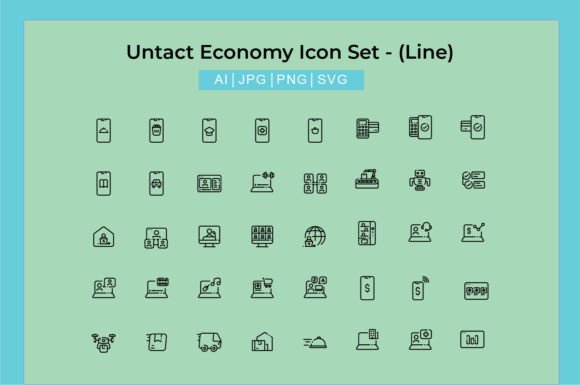
What constitutes a beautiful and meticulously designed icon in this context? It balances several principles. First is recognizability. The form must echo the classic cart or basket shape enough to be understood globally, across cultures and demographics. Second is simplicity. Effective icons are often minimal, stripping away unnecessary detail to communicate the idea at a glance, especially on smaller mobile screens. Third is stylistic coherence. The icon’s line weight, color palette, and artistic style should feel integrated with the brand it represents—whether that brand is sleek and modern, warm and rustic, or playful and energetic.
For professionals selecting or creating such an icon, practical implications are direct. A freelancer designing a client’s online store needs assets that are both beautiful and technically flexible. A business owner creating unified branding across their website, social media, and print ads benefits from a consistent visual symbol for their shopping function. An educator building a course module on digital commerce needs clear visuals to aid comprehension. In each case, the icon is a small but pivotal piece of a larger communication strategy.
Adapting to Changing User Habits and Technological Trends
The design and implementation of shopping cart icons also adapt to broader trends. The dominance of mobile commerce means icons must be legible and tappable on smaller touch interfaces. The rise of dark mode themes on apps and websites requires icons that work on both light and dark backgrounds. The increasing importance of accessibility demands that icons have sufficient contrast and can be understood by users with varying visual abilities, sometimes in conjunction with clear text labels.
Furthermore, as user habits evolve, the icon’s role subtly shifts. For instance, with features like “buy now” or one-click purchases, the traditional shopping cart sometimes functions less as a holding area and more as a visual confirmation point—a symbol that says, “Your selection has been noted and you can proceed to payment.” Its design must support this psychological function, appearing reliable and actionable.
Observations from successful platforms show that the best icons are often those that users barely think about. They are so intuitive and well-integrated that the journey from product to purchase feels seamless. This seamlessness is a competitive advantage. In a crowded online market, reducing cognitive load and friction at every step, including the simple act of adding an item to a cart, can significantly impact conversion rates.
Realistic Applications and Recommendations
For the audience of creators, marketers, and business owners, the recommendation is to treat this icon with strategic consideration. Do not settle for the first generic graphic found in a free repository. Evaluate it as you would any other brand asset. Does it align with your visual identity? Is it scalable for all your intended uses? Does it convey the sense of professionalism and trust you wish to project?
When utilizing a downloadable asset pack that includes multiple formats, leverage each file for its intended purpose. Use the SVG for your website’s code to ensure it looks sharp on every device. Use the high-resolution PNG or JPEG for embedding in your PowerPoint or Keynote presentations. Use the EPS file if you need to adjust the color within Adobe Illustrator or similar software to match a specific campaign’s theme. This practical approach maximizes the value of a single, well-designed icon.
In conclusion, while the shopping cart itself is a fundamental concept of commerce, its digital representation has become a nuanced and powerful design element. A beautiful, meticulously designed e-commerce icon for the shopping cart is more than just a picture; it is a functional tool, a brand communicator, and a universal signpost in the landscape of online interaction. By investing attention in this small detail, professionals and creators can enhance the clarity, appeal, and effectiveness of their projects, whether those projects live on a screen, on paper, or in a presentation.